How to Prepare for IT & Tech Job Interviews: 7 Resources That Work

A good résumé gets you into the room. It does almost nothing once you’re in it. The IT interview is a different skill entirely: reasoning out loud under mild pressure, writing code while someone watches, explaining a system you half-remember building two years ago. Most strong engineers who bomb interviews aren’t underqualified. They’re under-rehearsed.
The fix is practice, and the gap between candidates is usually how deliberately they practice. Grinding 300 random problems is not the same as running three realistic mock interviews. Below are the seven resources I’d point a developer to, roughly in the order you’d use them, from building raw skill to simulating the real thing.
1. LeetCode — for the coding muscle
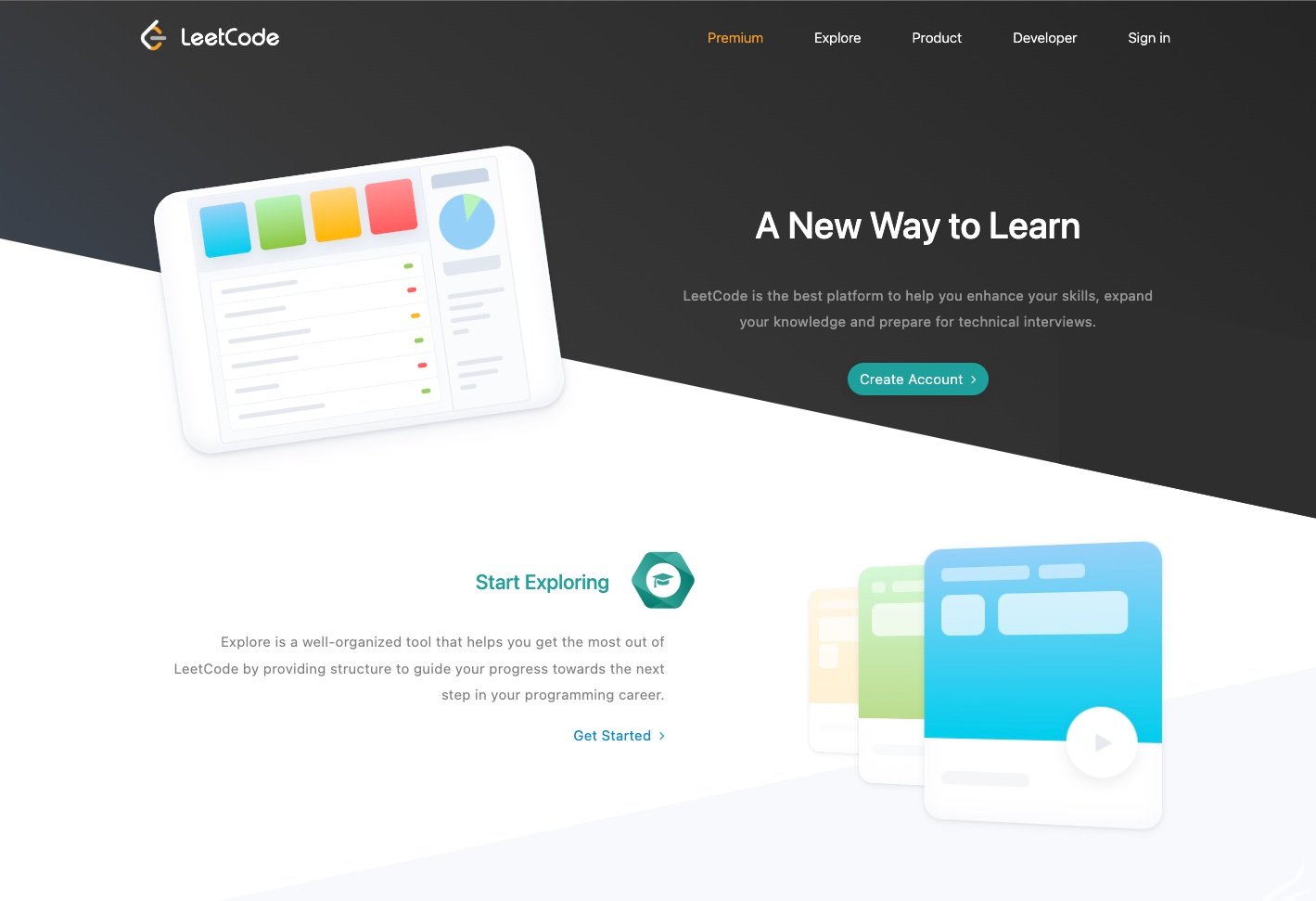
LeetCode is the default for a reason. Data structures and algorithms questions still anchor most technical screens, and with 4,000+ problems, a tagged library, and company-specific lists, it has more practice material than you’ll ever finish. Use its Explore study plans to work in patterns rather than at random: arrays and hashing, two pointers, sliding window, trees, graphs, dynamic programming. Forty well-understood problems across those categories beat two hundred solved and forgotten.
One honest caveat. LeetCode trains you to solve problems alone, in silence, with no interviewer asking “why that approach?” That’s not how a real interview goes, which is exactly why it’s step one and not the whole plan.
2. Prepfully — for real mock interviews
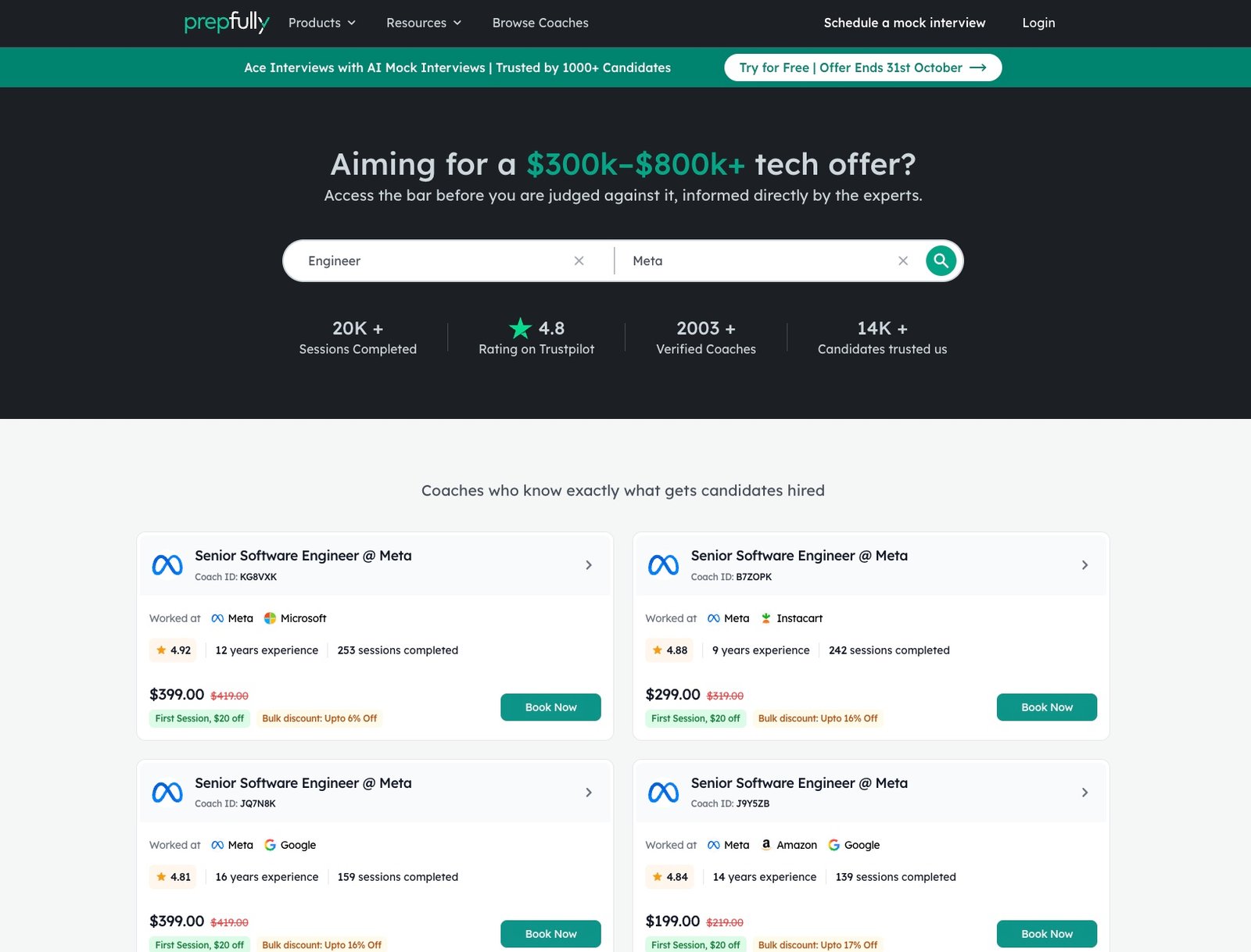
This is where most people’s prep falls apart. You can grind problems forever and still freeze the moment a human is watching. Prepfully closes that gap two ways: AI mock interviews you can run on demand, and 1-on-1 sessions with verified coaches who actually work at companies like Meta, Google, Amazon, and Microsoft. You book someone who interviews for the exact role you’re chasing, then get a structured read on what a real panel would have scored you down for. There are over 2,000 verified coaches and 20,000+ sessions logged, with a 4.8 rating on Trustpilot, so it isn’t a thin marketplace.
The value isn’t the questions. It’s the honest feedback from someone who has sat on the other side of the table hundreds of times and can tell you that your solution was fine but your communication cost you the offer. Sessions are priced per coach, roughly $199 to $399, and for a role that pays what senior tech jobs pay, one or two before the real loop is some of the cheapest insurance going. If you’re staring down a system design or senior SWE interview, this is the step I’d skip last.
3. Exponent — for system design and PM rounds
Exponent earns its spot for everything beyond the coding screen: system design, behavioral rounds, and product or data roles that LeetCode never touches. Its course material on designing something like a URL shortener or a news feed is genuinely good, and the peer mock interview pool is free to use. If you’re past the junior coding grind and staring down a design round, start here.
4. HackerRank — for take-home and assessment prep
Plenty of companies screen with a timed HackerRank assessment before a human ever sees you. Practising in the actual environment matters more than people expect, because the clock, the editor, and the hidden test cases all behave differently from LeetCode’s interface. Spend an hour getting comfortable with the platform so the format isn’t the thing that trips you.
5. Glassdoor — for knowing what’s coming
Glassdoor is reconnaissance. Search the company and role, and you’ll often find the exact questions recent candidates were asked, the interview structure, and whether the process drags across six rounds or wraps in two. Pair that with a look at salary ranges before you talk numbers. Treat the reviews with a pinch of salt, since happy people rarely post, but the interview question dumps are gold.
6. roadmap.sh — for filling the knowledge gaps
If the job description mentions something you’ve never touched, roadmap.sh is the fastest way to see what you’re missing and in what order to learn it. The frontend, backend, and DevOps roadmaps are opinionated and current, which beats guessing. It won’t make you an expert in a week, but it’ll stop you walking into an interview blind on a core topic they’ll obviously ask about. Our own primers on front-end vs back-end development and how to choose a tech stack cover the same ground in plain English.
7. A portfolio that does the talking
The resource you build yourself. For web and software roles especially, two or three projects you can walk through in detail will carry an interview further than a perfect algorithm answer. Interviewers trust what they can click. Put the code on GitHub, write a short README that explains the decisions you made and the ones you’d change, and host a live demo somewhere. It helps to understand what’s happening under the hood too, which is why we wrote APIs explained for beginners for exactly this audience.
How to actually use these
Running all seven at once is how people burn out and show up tired. A saner four weeks looks like this: weeks one and two on LeetCode patterns and roadmap.sh gaps, week three adding Exponent for design and HackerRank for format, and the final week on Prepfully mocks plus Glassdoor recon for the specific company. The mocks come last on purpose. You want feedback when there’s still time to act on it, not the night before.
Preparation won’t turn a weak candidate into a strong one. What it does is stop a strong candidate from interviewing like a weak one, and that happens far more often than it should. If you’re building the portfolio side of your profile and want a site that actually shows your work well, that’s the sort of thing our web development service does every day.
Frequently asked questions
How long does it take to prepare for a tech interview? +
For most people with some coding experience, four to eight weeks of consistent practice is enough to walk in prepared. Less if you're interviewing often and staying sharp, more if you're switching from a non-technical role or targeting a FAANG loop. The honest variable isn't time, it's whether that time is deliberate practice or passive review.
How many LeetCode problems should I solve before an interview? +
Around 100 to 150 well-understood problems across the core patterns beats 400 rushed and forgotten. Focus on arrays and hashing, two pointers, sliding window, trees, graphs, and dynamic programming, and make sure you can explain each solution out loud, not just pass the tests.
Are paid mock interviews like Prepfully worth it? +
If you're targeting competitive roles, usually yes. A couple of sessions with someone who has actually interviewed candidates at your target company surfaces the communication and structure problems you can't see yourself, and that feedback is hard to get anywhere else. For a job that pays six figures, the cost of one or two sessions is minor insurance.
How do I prepare for a coding interview with little experience? +
Start with fundamentals before speed. Learn the core data structures, work through a guided path rather than random problems, and build one or two small projects you can talk through in detail. A real project you understand deeply often impresses an interviewer more than a half-memorised algorithm.
What should I do the day before an IT interview? +
Stop grinding new problems. Review your own notes, re-read the job description, skim the company's recent news and its interview questions on Glassdoor, and get a normal night's sleep. Cramming the night before mostly buys you anxiety, not knowledge.
Need a hand with your project?
Get a free quote from our team — no commitment required.
Looking for web development help?
See how our Web Development service can help you grow.